
Residential Spray Foam in Cuba, NY
Residential Spray Foam
Attic and Roofline Spray Foam
Spraying the underside of the roof deck turns the attic into conditioned space, protecting ductwork and equipment from winter cold. It also closes the air leaks around fixtures and chases that loose fill leaves open, and it suits cathedral ceilings especially well.
Wall Cavity Spray Foam
In new construction and gut renovations, foam sprayed between studs expands to fill around wires, boxes, and pipes. Closed-cell adds racking strength to the wall, while open-cell offers a lighter, sound-dampening option for interior partitions throughout the house.
Rim Joist Sealing
The band of framing where a house sits on its foundation is one of the leakiest spots in any basement. A layer of closed-cell foam air-seals and insulates each bay in a single pass, stopping drafts and warming the floors above.
Crawl Space Encapsulation
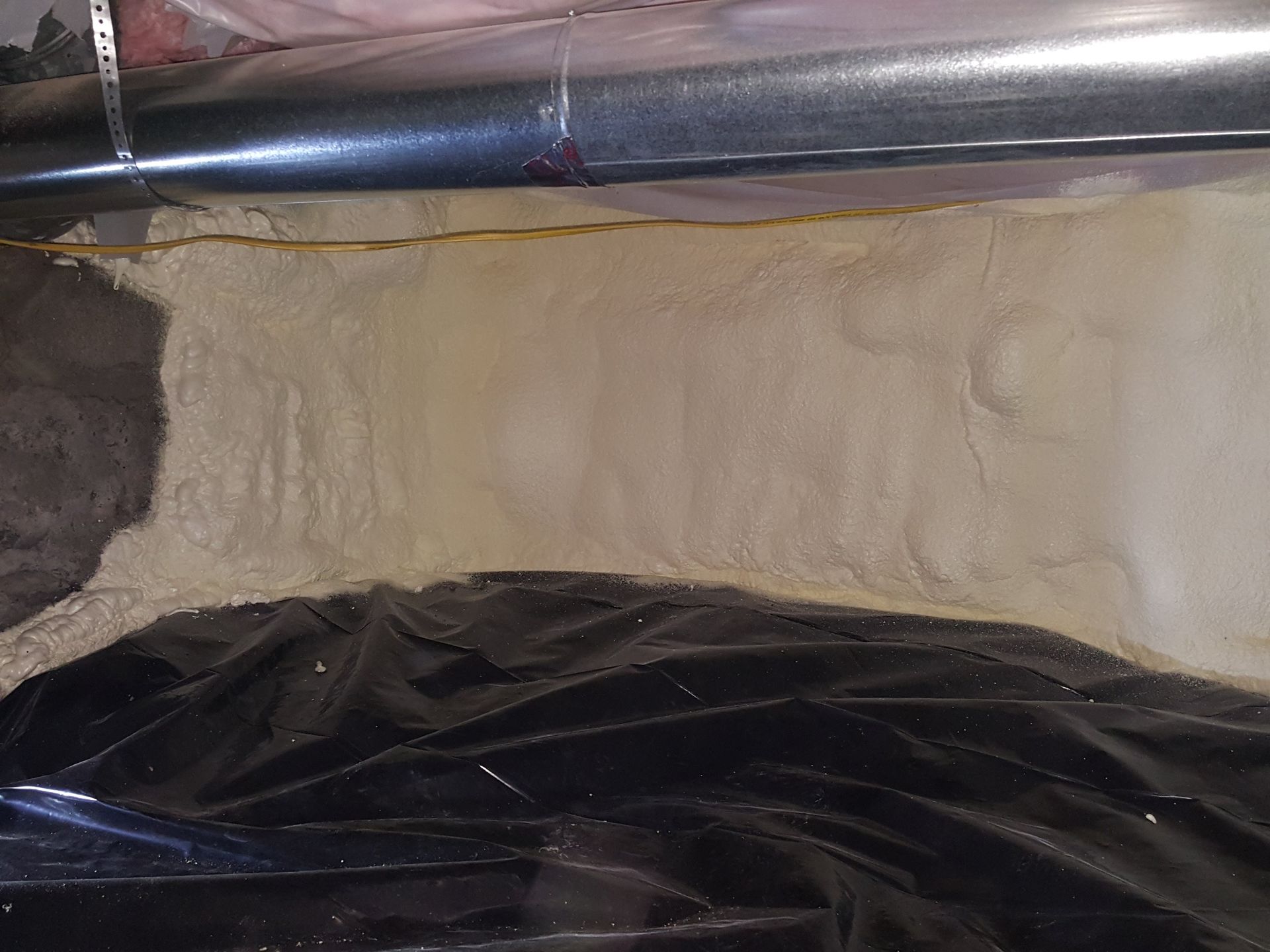
Damp crawl spaces feed mold, rot, and frozen pipes. We apply closed-cell foam to the foundation walls to block ground moisture and cold, raising the temperature of the space beneath your floors and protecting the plumbing that runs through it.
Open-Cell Spray Foam
Open-cell foam expands generously and stays soft, filling irregular cavities with less material. It absorbs sound well, making it a strong choice for interior walls, home theaters, and floors between levels where vapor control is handled by another layer.
Garage and Workshop Insulation
Attached garages and backyard workshops lose heat quickly through thin walls and overhead framing. Closed-cell foam seals those spaces against wind and moisture, making them comfortable to work in and keeping cold air away from the rooms beside them.
Why Choose Us for Residential Spray Foam
Proper Mixing and Temperatures
Foam only cures correctly when the chemicals and surfaces sit within the manufacturer's temperature range. We check substrate conditions, monitor our equipment through the job, and spray in controlled passes so the finished foam is firm, bonded, and fully reacted.
Clear Guidance on Reentry
You will know exactly when your family can return before we begin. We ventilate the work area during and after application and follow the product's reoccupancy time, which runs about 24 hours for many spray foam systems on the market.
Right Foam for Each Space
Closed-cell and open-cell foam behave very differently. We explain clearly where each belongs in your home, choosing closed-cell for damp and exterior areas and open-cell for sound control, so you never pay for performance a particular space cannot use.
Thorough Masking and Cleanup
Overspray travels farther than people expect. We mask windows, floors, outlets, and anything else nearby before spraying, trim excess foam flush with the framing afterward, and haul away the waste so your drywall crew can start right away.
Code-Aware Planning
Living spaces need a thermal barrier such as half-inch drywall over foam, and attics and crawl spaces follow their own ignition barrier rules. We plan for those requirements up front, so your project is ready for inspection without surprise rework.
Comfort You Notice Quickly
Homeowners often feel the difference on the first cold night after installation. Drafts along baseboards fade, floors above the basement warm up, and the furnace cycles less often, leaving the home quieter and more even from room to room.
Make This Winter the Last One Spent Fighting Drafts
Every gap that foam seals is one less path for cold air, moisture, and pests to take into your living space. Angelo's Southern Tier Spray Foam brings careful residential spray foam application to homes in Cuba, NY, and throughout Western New York, with closed- and open-cell options matched to each area. Whenever you are ready to explore what foam could change in your home, we will answer your questions honestly. Visit our contact page to request a free quote.
FAQs - Frequently Asked Questions
Is spray foam insulation worth it for an older home?
Often, yes, especially where walls or attics are already open during a renovation. Spray foam seals the air leaks common in older framing, but finished walls usually need cellulose or another retrofit method unless the interior surfaces are coming down anyway.
What are the downsides of spray foam insulation?
Spray foam is hard to remove once applied, so wiring and plumbing changes behind it take more effort later. Poor mixing can leave lingering odors, which is why trained application and correct surface temperatures matter so much on every single job.
Can spray foam cause moisture problems in a house?
Not when it is specified correctly. Problems usually come from open-cell foam placed where a vapor retarder is needed, or from foam sprayed over wet framing. Closed-cell foam at roughly 2 inches thick acts as a vapor retarder by itself.
Can spray foam be applied in winter?
Yes, with the right conditions. Foam needs dry surfaces and substrate temperatures within the manufacturer's range, so cold-season jobs rely on warming the work area first. Angelo's Southern Tier Spray Foam schedules projects around Cuba, NY, year-round with those limits in mind.
How thick should spray foam be in walls?
Closed-cell foam is typically sprayed 2 to 3 inches thick in wall cavities, reaching roughly R-13 to R-20. Open-cell foam usually fills a 2x4 or 2x6 cavity completely, and the excess is trimmed flush so drywall sits flat against the studs.
Will spray foam keep mice and insects out?
Foam closes many of the cracks pests use to get inside, which helps, but it is not a pest treatment. Rodents can still chew through foam, so it works best alongside sealing exterior entry points and storing firewood away from the house.
Does spray foam make a house too airtight?
A tightly sealed home needs planned ventilation, such as bath fans, a range hood vented outdoors, or an energy recovery ventilator. With that in place, airtight construction improves comfort and indoor air quality rather than trapping stale air inside the living space.
How long does residential spray foam last?
Properly installed spray foam can perform for the life of the building because it does not sag or settle. After 10+ years applying foam across Cuba, NY, Angelo's Southern Tier Spray Foam has seen how much good surface prep matters for lasting adhesion.