Residential Conventional Insulation in Cuba, NY
Residential Conventional Insulation
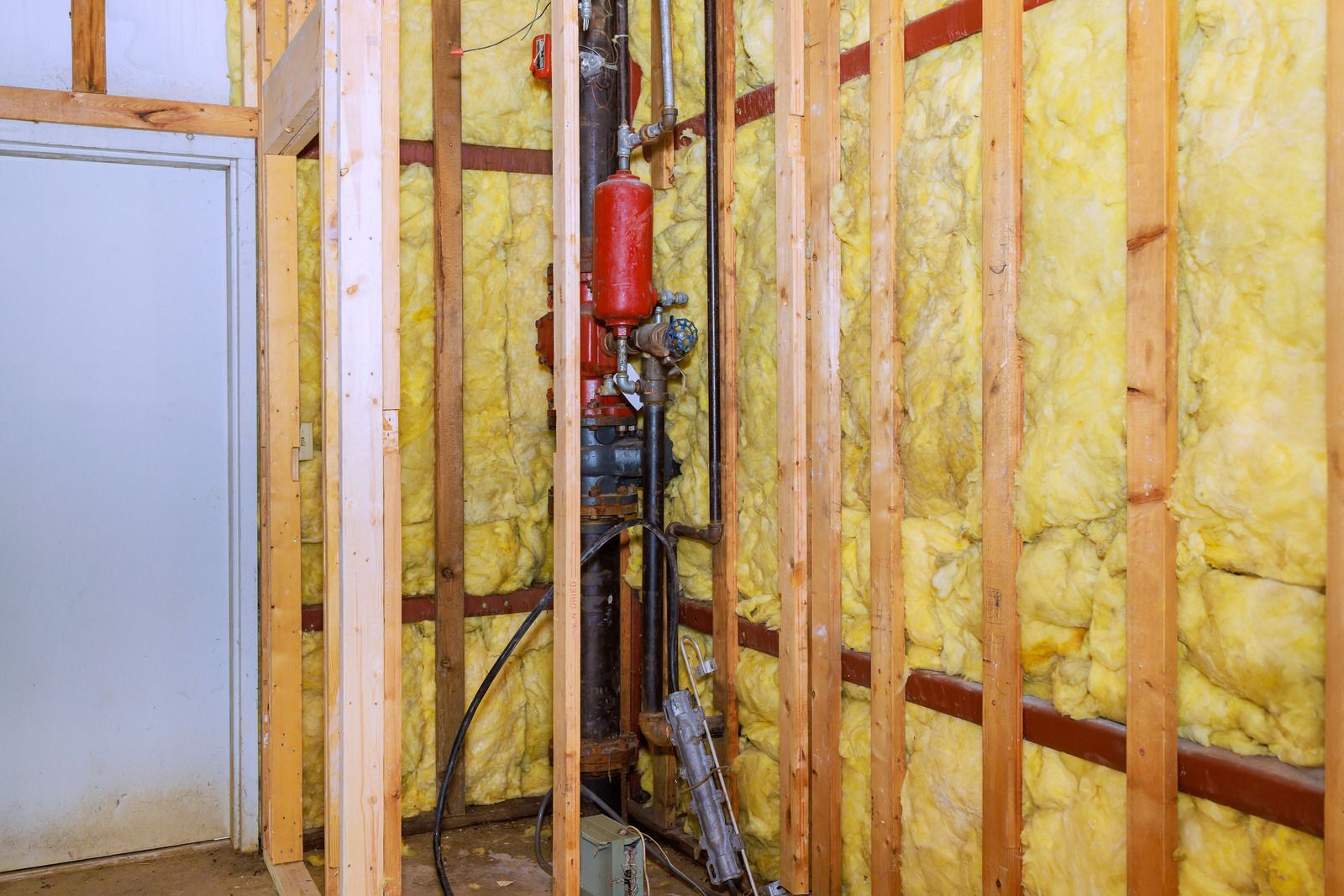
Fiberglass Batt Installation
Batts remain the most common choice for open stud and joist bays. We cut each piece to fit around wiring, boxes, and pipes rather than stuffing it behind them, keeping the full thickness intact so the insulation delivers its rated R-value.
Mineral Wool Insulation
Made from stone and slag fibers, mineral wool resists fire, sheds water, and dampens sound between rooms. Its stiffer batts friction-fit snugly between studs, making it a smart match for bedroom walls, utility rooms, and spaces near heating equipment.
Rigid Foam Board
Foam board adds continuous insulation that interrupts heat flow through studs and joists. We cut and fasten panels to basement walls, attic hatches, and exterior sheathing, then tape or seal the seams so each layer works as a tight thermal break.
Basement Wall Insulation
Uninsulated foundation walls pull heat out of a home all winter long. We cover them with board and batt combinations sized for the space, keeping moisture control in mind so the finished basement stays dry, comfortable, and ready for drywall.
Floors Over Unheated Spaces
Rooms above garages, porches, and crawl spaces often feel chilly underfoot. We install batts tight against the subfloor, support them with wire or netting so they cannot sag, and seal around the pipes and ducts running through each joist bay.
Knee Walls and Bonus Rooms
Finished attic rooms lose heat through short knee walls and the open floor spaces behind them. We insulate those walls, block the joist bays beneath, and back the batts with a rigid facing so the insulation stays in full contact with the framing.
Why Choose Us for Residential Conventional Insulation
Material Matched to the Room
Fiberglass, mineral wool, and foam board each have strengths. We recommend the product that fits the space, whether a quiet bedroom, a damp basement, or a cold garage ceiling, so you pay only for performance that room will actually use.
Fitted Without Compression
Cramming a thick batt into a shallow cavity crushes its air pockets and cuts its effectiveness. Our installers split batts around wiring, trim them to exact widths, and never force material into a space where it simply does not belong.
Ready for Inspection
New construction and renovation work often faces an insulation inspection before drywall goes up. We leave cavities neat, fully filled, and correctly faced, so your builder or inspector can review the work without callbacks slowing the rest of the project.
One Crew for Every Material
Because we also install spray foam and blown cellulose, we can combine methods when a house calls for it. Foam might seal the rim joist while batts fill the walls, giving you a balanced approach from a single insulation contractor.
Moisture Awareness
Vapor control mistakes cause mold and rot inside walls. We place facings and retarders on the correct side for a cold climate and avoid trapping moisture between layers, protecting the framing that sits behind every finished surface in your home.
A Respectful Job Site
Itchy fiberglass scraps get left behind when a crew rushes out the door. We bag offcuts as we work, vacuum the area, and walk through the space with you before leaving, so your home is ready to use as soon as we finish.
Put Proven Insulation to Work in Every Room
A properly fitted batt or board takes a little more patience to install than a sloppy one, yet it keeps working for decades. Angelo's Southern Tier Spray Foam brings that attention to fit into homes across Cuba, NY, and the surrounding Southern Tier, from basements to bonus rooms. If you are weighing materials or planning a renovation, we are happy to talk through the choices. Use our contact page to schedule a visit and a free quote.
FAQs - Frequently Asked Questions
What is the difference between fiberglass and mineral wool insulation?
Mineral wool is denser, tolerates higher temperatures, and blocks more sound, while fiberglass is lighter, widely available, and easy to handle in tight spaces. Both resist moisture when kept dry, so the choice often comes down to fire resistance and acoustics.
Should I use faced or unfaced insulation?
Faced batts include a kraft paper layer that acts as a vapor retarder and belongs toward the heated side of the wall in a cold climate. Unfaced batts suit interior walls, attic top-offs, and assemblies where another vapor control layer already exists.
Can you install new insulation over old batts?
Yes, as long as the existing batts are dry and free of mold or pests. Any new layer added in an attic should be unfaced and run perpendicular to the joists, so moisture does not get trapped between the old and new material.
What R-value do I need for basement walls in New York?
New homes in climate zone 6 need R-19 cavity insulation or R-15 continuous insulation on basement walls under the 2025 energy code. Angelo's Southern Tier Spray Foam helps homeowners in Cuba, NY, choose a board, batt, or combined assembly that reaches it.
Does insulation help reduce noise between rooms?
Both mineral wool and fiberglass absorb sound traveling through interior walls and floors, with mineral wool performing noticeably better because of its density. Pairing insulation with sealed outlets and solid drywall seams gives the quietest result in bedrooms and offices.
How do I know if my existing insulation needs replacing?
Signs include rooms that stay cold while the heat runs, batts that sag or have dropped out of the joists, water stains, and mouse droppings. Insulation that looks flattened or discolored has usually lost much of its original performance.
Is rigid foam board safe to leave exposed in a basement?
Most foam boards need a covering such as half-inch drywall, because building codes require a thermal barrier over foam plastic in living spaces. Some foil-faced products carry approvals for exposure, so the label and local code decide what can remain uncovered.
How long does conventional insulation last?
Fiberglass and mineral wool can last for decades when they stay dry and undisturbed. Over 10+ years around Cuba, NY, Angelo's Southern Tier Spray Foam has found many batts that sagged from poor support, so we fasten every floor installation securely.